
Some animals are better than others when it comes to storing water
Guest blogger: Lucy Mele
I came across these interesting facts while doing research for this week's blog and thought that they were important enough to share:
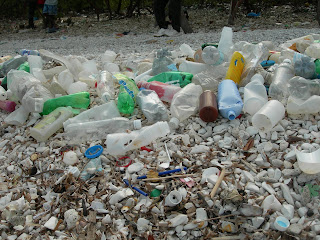
* According to the Container Recycling Institute, 66% of the 215 billion aluminum, glass, and plastic bottles sold in the US in 2006 ended up in landfills? That's almost 142 billion bottles. And because incineration releases toxins, and plastic doesn't biodegrade, all those bottles are staying put for around 1,000 years.
* The Earth Policy Institute says that producing the plastic for all of the bottles we use annually uses enough oil to fill 100,000 cars with gasoline. This doesn't include the oil and gasoline that's used to transport the water we drink (prime example: think about that long, expensive flight your Fiji water has to take to end up at a NYC deli).
* The US EPA actually has stricter regulations on tap water than it does on bottled water. Additionally, The amount of energy it takes to process, bottle, label and transport single-serve water is 2,000 times more than the amount of energy necessary to make tap water(LiveScience.com).


Reusable bottles like Nalgene and Sigg run between 15-30 bucks and can literally last a lifetime, depending on the brand. My personal preference is Nalgene, not only because they're an environmentally friendly company, but they also make a damn good bottle (just ask Richard, who talks about them in Born to Explore, and has actually used them to save lives!).
In fact, Nalgene just launched the Nalgene Community Sustainability Program, which partners the company with communities to help them reduce their carbon footprint by ditching the single-serve bottles and replacing them with the reusable kind. They've also teamed up with Brita to promote the Filter for Good campaign in an effort to encourage people to go green.

Purifying water on Kilimanjaro
One of the cool things about all of these pro-tap movements and statistics is that it's giving other major companies that aren't necessarily so environmentally aware the much-needed kick in the rear to do something about the waste they create. Just last week, Coca Cola Japan announced plans to introduce lighter-weight, easily crushable bottles for their LOHAS mineral water. This simple change has the potential for big impact; if the bottle becomes widely used, then delivery loads shrink, which enables the company to pack more in each load, run loads less frequently, and reduce their fuel intake, ultimately cutting costs.

Cities are also realizing the economic and environmental benefits of weaning themselves off of bottled water. Richmond, VA, has award-winning tap-water, but up until May, the workers at City Hall were drinking from water coolers. By ending the contract with their water provider, they'll now save over $200,000 a year. San Mateo County in California made a similar move this year, and expects to save around a quarter of a million dollars annually.

I came across these interesting facts while doing research for this week's blog and thought that they were important enough to share:
* According to the Container Recycling Institute, 66% of the 215 billion aluminum, glass, and plastic bottles sold in the US in 2006 ended up in landfills? That's almost 142 billion bottles. And because incineration releases toxins, and plastic doesn't biodegrade, all those bottles are staying put for around 1,000 years.
* The Earth Policy Institute says that producing the plastic for all of the bottles we use annually uses enough oil to fill 100,000 cars with gasoline. This doesn't include the oil and gasoline that's used to transport the water we drink (prime example: think about that long, expensive flight your Fiji water has to take to end up at a NYC deli).
* The US EPA actually has stricter regulations on tap water than it does on bottled water. Additionally, The amount of energy it takes to process, bottle, label and transport single-serve water is 2,000 times more than the amount of energy necessary to make tap water(LiveScience.com).

Destined for a landfill or the ocean
I realize the irony in that last week, I wrote about the importance of drinking safe, bottled water and this week, I'm telling you how bad it is, so let me be clear: while I definitely advocate opting for the safest choice when you're traveling, I think it's important to heed these statistics when you're in a place where you know the tap water is safe and drinkable.
Because let's face it; these statistics are pretty startling. But the good thing is, they're not impossible to combat. Take statistic #3, for example, which tells us that the water coming out of our tap is not only safer than the bottled stuff, it's also greener and more cost-efficient. Just think about how much money and energy we would all save if we purchased refillable bottles (one time) and continuously used our tap to fill them.
I realize the irony in that last week, I wrote about the importance of drinking safe, bottled water and this week, I'm telling you how bad it is, so let me be clear: while I definitely advocate opting for the safest choice when you're traveling, I think it's important to heed these statistics when you're in a place where you know the tap water is safe and drinkable.
Because let's face it; these statistics are pretty startling. But the good thing is, they're not impossible to combat. Take statistic #3, for example, which tells us that the water coming out of our tap is not only safer than the bottled stuff, it's also greener and more cost-efficient. Just think about how much money and energy we would all save if we purchased refillable bottles (one time) and continuously used our tap to fill them.

Reusable bottles like Nalgene and Sigg run between 15-30 bucks and can literally last a lifetime, depending on the brand. My personal preference is Nalgene, not only because they're an environmentally friendly company, but they also make a damn good bottle (just ask Richard, who talks about them in Born to Explore, and has actually used them to save lives!).
In fact, Nalgene just launched the Nalgene Community Sustainability Program, which partners the company with communities to help them reduce their carbon footprint by ditching the single-serve bottles and replacing them with the reusable kind. They've also teamed up with Brita to promote the Filter for Good campaign in an effort to encourage people to go green.

Purifying water on Kilimanjaro
One of the cool things about all of these pro-tap movements and statistics is that it's giving other major companies that aren't necessarily so environmentally aware the much-needed kick in the rear to do something about the waste they create. Just last week, Coca Cola Japan announced plans to introduce lighter-weight, easily crushable bottles for their LOHAS mineral water. This simple change has the potential for big impact; if the bottle becomes widely used, then delivery loads shrink, which enables the company to pack more in each load, run loads less frequently, and reduce their fuel intake, ultimately cutting costs.

Catching a rainbow:one of the many uses of a Nalgene bottle
Cities are also realizing the economic and environmental benefits of weaning themselves off of bottled water. Richmond, VA, has award-winning tap-water, but up until May, the workers at City Hall were drinking from water coolers. By ending the contract with their water provider, they'll now save over $200,000 a year. San Mateo County in California made a similar move this year, and expects to save around a quarter of a million dollars annually.
Even though companies and municipalities are working to do their part, sales of bottled water are continuing to rise. This year, we're expected to exceed 50 billion bottles worldwide. So take a tip from our friends over at Nalgene and go out and buy yourself a reusable bottle. Not only will your wallet thank you, but Mother Nature (& the rest of us) will be eternally grateful.

Author enjoying the water


